Thailand breed guide
Chow Chow in Thailand: is this breed right for you?
The Chow Chow is a dignified, independent companion with a distinctive outline and either a rough or smooth double coat. It can form a strong bond with its family, but it is not automatically sociable, eager to please or suited to Thailand without reliable cooling and thoughtful handling.
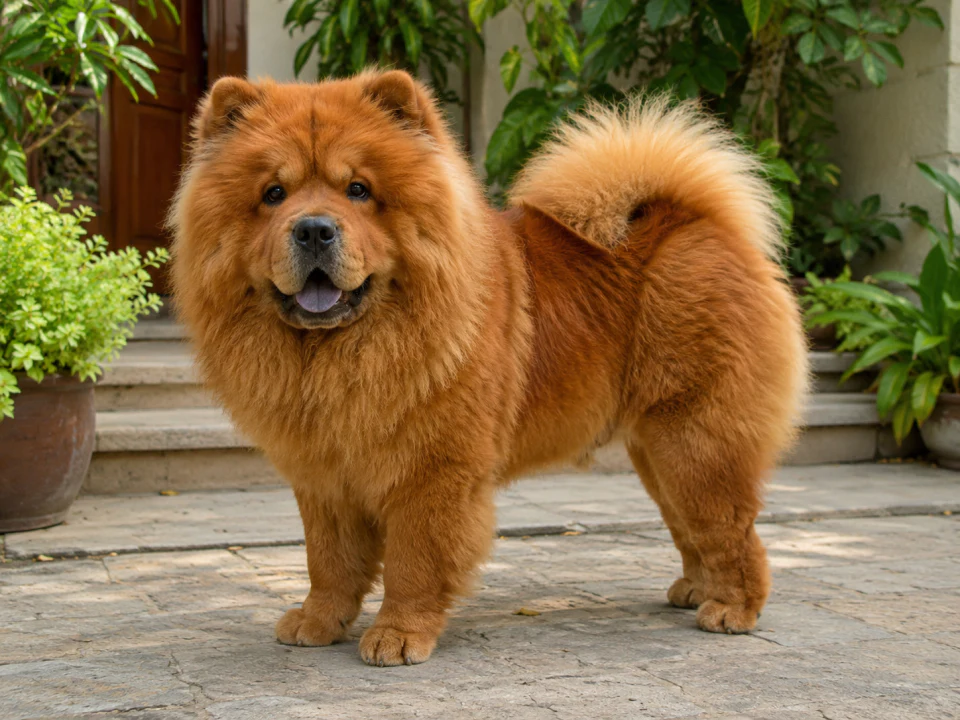
Is a Chow Chow suitable for life in Thailand?
Yes, for people who appreciate a quieter, self-possessed dog and will earn cooperation through calm, consistent handling. Chow Chows can be loyal and deeply attached without greeting every stranger as a friend.
The breed needs careful social experience rather than forced sociability, plus regular grooming and a reliably cool indoor home. It is a poor choice for someone wanting an instantly affectionate dog that tolerates careless handling from everyone.
Quick facts
Recognised height
About 46 to 51 cm for females and 48 to 56 cm for males
Adult build
Medium, powerful, square and substantial
Coat varieties
Rough and smooth, both double coated
Exercise
Regular moderate activity in cool conditions
Home
Calm reliably cooled indoor home
Best suited to
Patient people who respect independent character
Loyal does not necessarily mean openly sociable
A Chow Chow may be strongly devoted to its family and settle quietly in the home. Many owners value the breed’s dignity and lack of constant attention-seeking.
Reserve with strangers should not be confused with permission to avoid socialisation or tolerate poor behaviour. The goal is a composed dog that can navigate ordinary life safely, not one expected to love every person.
Temperament and family suitability
Chow Chows are commonly dignified, independent and discerning with strangers. Affection may be quiet and selective rather than physically demonstrative with everyone they meet.
Early social experience should build calm confidence without forcing interaction. The breed club notes limited peripheral vision from deep-set eyes, so approaching within the dog’s view and teaching comfortable handling are sensible habits.
Adult size and expected lifespan
The FCI standard gives heights of 48 to 56 cm for males and 46 to 51 cm for females. The square outline, broad body and substantial bone make the breed feel heavier and more powerful than height alone suggests.
An adult needs secure lead handling, suitable vehicle space and good floor traction. People should choose for character and household fit rather than seeking an exaggeratedly heavy or overcoated appearance.
From rounded puppy to dignified adult
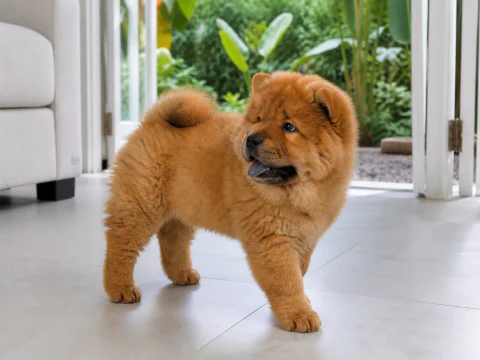
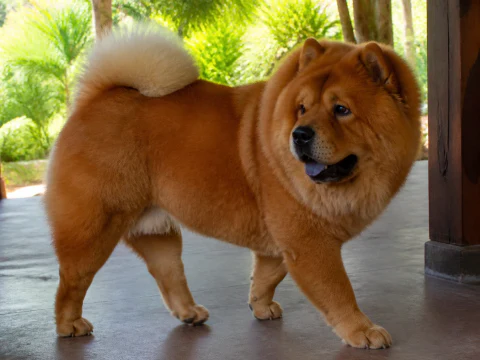
A puppy has an appealing soft, rounded appearance. This is the important stage for positive handling, brushing, lead foundations, calm visitors and comfortable experiences beyond the home.
The rough-coated adult shown here illustrates the fuller ruff and powerful square build that develop. Smooth-coated Chows carry less outer-coat length but share the same independent character and double coat.
Exercise and mental stimulation
Adults benefit from regular moderate walks, sniffing and calm play. This is not usually an endurance breed, but a garden and dignified temperament do not remove the need for daily movement.
Use the coolest suitable times in Thailand and allow the dog to set a comfortable pace. Indoor searching and short training sessions add useful mental activity when outdoor conditions are poor.
Training considerations
Short reward-based sessions and fair, consistent boundaries suit an intelligent independent dog better than repetitive drilling or confrontation. Lead manners, recall practice, waiting at exits and cooperative handling are priorities.
A Chow may ask why a task is worthwhile rather than automatically repeating it. Use rewards the individual values and avoid turning ordinary guidance into a battle of strength.
Barking and independence
Many Chows are relatively quiet but may alert clearly to visitors or unusual activity. Reserve and watchfulness should be managed so alerting does not become persistent territorial behaviour.
They can cope with calm independence better than some highly dependent companion breeds, but no dog should be left isolated for excessive periods. Build a predictable routine and safe resting place.
Grooming, shedding and smell
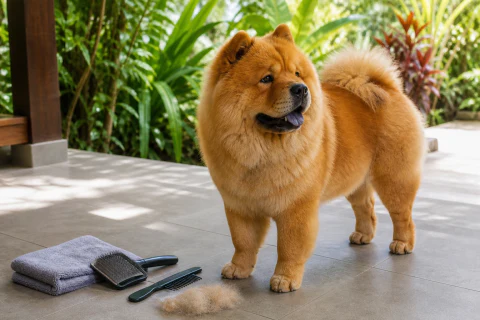
Both rough and smooth Chow Chows are double coated and shed. Rough coats need frequent brushing through the ruff, body, tail and areas prone to compacted undercoat; smooth coats are shorter but still dense.
Regularly check ears, skin, feet, nails and teeth. Dry the coat thoroughly after bathing or rain, and prioritise a natural, manageable coat rather than excessive length or shaping.
Children and other animals
A well-matched Chow can live peacefully with considerate children who respect its space. Adults should supervise, protect sleep and meals, and never allow hugging or sudden approaches to become a test of tolerance.
Dog and cat compatibility varies. Calm introductions, separate resources and ongoing management are especially important for an adult that may be selective about close contact.
Condos, gardens and time alone
A calm house or well-managed condo can work when cooling, lifts, neighbours, toileting and daily walks are practical. Secure entrances matter because the dog should not be expected to greet every caller freely.
A garden is useful but does not replace social experience, walks or family involvement. Provide cool, clean resting areas where the dog can withdraw without being disturbed.
Heat and humidity
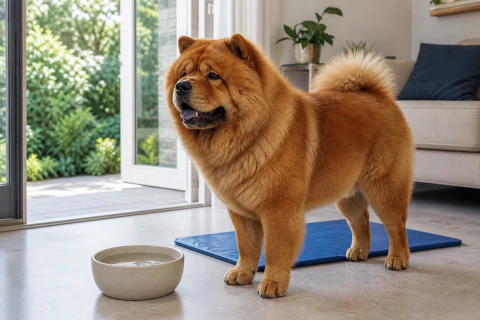
Reliable indoor cooling is essential for a Chow Chow in Thailand. Both coat varieties carry a dense undercoat, and outdoor activity should be limited to the coolest suitable conditions.
Provide water and shade, avoid hot vehicles and surfaces, and allow full recovery indoors. The FCI standard specifically states that coat must not impede activity or cause distress in hot weather.
Health and everyday care
Useful everyday care includes keeping the coat free of compacted undercoat, maintaining a comfortable body condition, caring for teeth and nails, checking ears, eyes, skin and feet, and providing moderate movement.
This guide provides general ownership information, not veterinary advice. Persistent eye or skin irritation, reduced movement, breathing difficulty or another marked change from the dog’s normal should be discussed promptly with a veterinarian.
How Perfect Pedigree sources Chow Chows
Perfect Pedigree has helped families find Chow Chow puppies in Thailand since 2014. We consider temperament, upbringing, known parent information and whether the household understands independent character, handling, grooming and reliable cooling.
We explain the veterinary care, documentation and other information available for the individual puppy before reservation. We also discuss coat type, adult build, family routine, visitors, children and other animals. A person remains involved before reservation.
Typical availability in Thailand
Chow Chows are available in Thailand from time to time. Colour, a very heavy ruff or an especially rounded face should not outweigh temperament, comfortable movement, upbringing and climate suitability.
Available Chow Chow litters and enquiries
Current puppies appear by litter on Available Puppies. If none is shown, tell us about your home, cooling, family, other animals and preferred timing so we can discuss a current or later Chow Chow enquiry.
Frequently asked questions
Is a Chow Chow affectionate?
It can be deeply loyal and attached to its family, but affection is often quiet and selective. It may remain reserved with strangers rather than openly sociable.
Are all Chow Chows long-haired?
No. The breed has recognised rough and smooth coat varieties. Both are double coated and require regular care and reliable cooling in Thailand.
Can a Chow Chow live in Thailand?
Yes, but only with reliable indoor cooling, carefully timed activity, regular coat care, water and close attention to the individual dog’s comfort.
Sources and authorship
- Fédération Cynologique Internationale, Chow Chow Standard No. 205, used for recognised size, rough and smooth coats, movement, hot-weather welfare and broad temperament characteristics.
- The Royal Kennel Club, Chow Chow, used selectively for size, grooming, activity, coat and broad home context.
- Chow Chow Club, temperament and presentation, used for independent character, reserve with strangers, approach and calm handling context.
- PDSA, dogs die in hot cars and on hot walks, used for practical hot-weather, vehicle, shade and water precautions relevant to Thailand.
- Perfect Pedigree’s first-hand experience helping families find and raise puppies in Thailand since 2014, including experience with Chow Chows.
Breed organisations and welfare sources are used selectively for neutral facts and practical context. Their registration, health-testing and purchasing recommendations are not presented as Perfect Pedigree policy.
Would this breed suit your family?
Browse current litters or tell us what you are looking for. We will review the enquiry personally and help you understand the next step.