
Thailand breed guide
Basenji in Thailand: is this breed right for you?
The Basenji is a compact African hunting dog known for intelligence, independence, a short clean coat and unusual yodel-like sounds. It can be an engaging companion, but “barkless” does not mean silent, easy to train or safe to exercise without secure control.
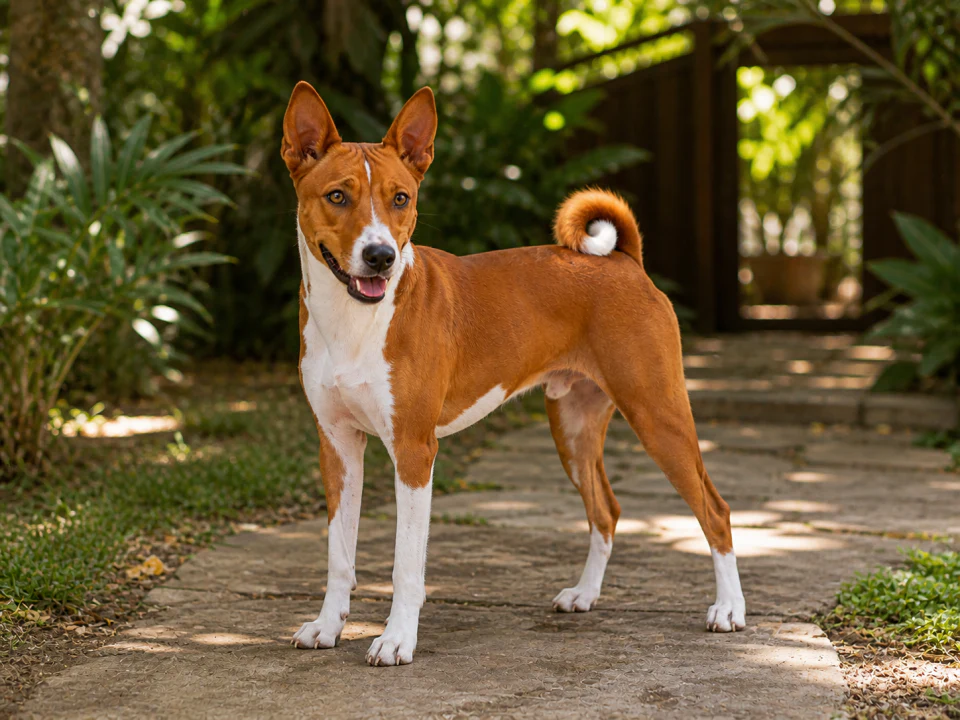
Is a Basenji suitable for life in Thailand?
Yes, for someone who appreciates an observant, self-directed hound and is prepared to make training rewarding rather than expecting automatic obedience. Basenjis are portable and clean-coated, but they need real exercise, enrichment and close attention to doors, leads and boundaries.
The breed was developed to hunt and make independent decisions. A secure area, a dependable lead routine and careful management around smaller animals are practical essentials, not signs that the dog has failed.
Quick facts
Recognised height
About 40 cm for females and 43 cm for males
Recognised weight
About 9.5 kg for females and 11 kg for males
Exercise
Daily activity, play, scenting and mental work
Grooming
Low-volume short-coat care
Voice
Does not bark conventionally but is not silent
Best suited to
Patient households who enjoy an independent hound
Barkless does not mean silent or effortless
Basenjis do not produce the ordinary repeated bark associated with most dogs. They can make yodel-like sounds, whines and other surprisingly expressive noises.
Quiet moments should not be confused with a passive temperament. The breed is intelligent, curious and capable of making its own decisions, particularly when something worth chasing or exploring appears.
Temperament and family suitability
Basenjis are intelligent, independent and often affectionate with their own people while reserved with strangers. They can be playful and charming without behaving like a dog whose main goal is to follow instructions.
Positive early exposure to people, friendly dogs, ordinary noises, travel and handling helps confidence. Respectful interaction and rewarding cooperation suit the breed better than repeated confrontation.
Adult size and expected lifespan
The FCI ideal is about 43 cm and 11 kg for males, and 40 cm and 9.5 kg for females. The compact, lightly built adult is convenient to house and transport.
Small-to-medium size does not remove speed, jumping ability or hunting motivation. Check balcony gaps, doors, gates and harness fit with the same care used for a larger hound.
From curious puppy to self-possessed adult
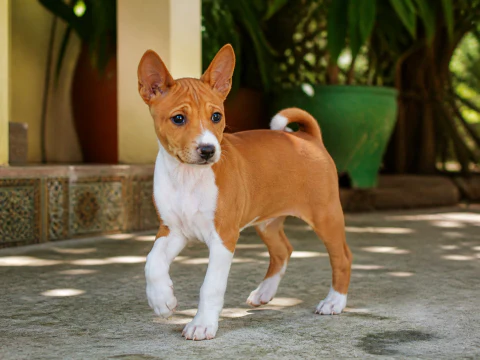
Puppies show the breed’s compact size and alert expression. Puppyhood should build calm handling, lead confidence, recall games, frustration tolerance and rewarding ways to use curiosity.
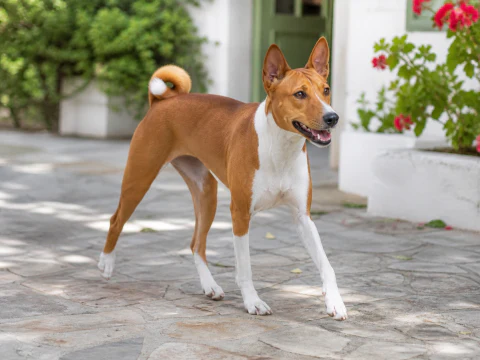
The adult shown here remains relatively small and lightly built, but mature speed and independence change the management. Secure gates, careful lead use and purposeful enrichment should already be established.
Exercise and mental stimulation
Basenjis need daily physical activity, sniffing, play and problem-solving. Short training sessions, searching games and controlled opportunities to run in a genuinely secure area can complement walks.
A bored Basenji may redirect its intelligence into chewing, climbing or escape attempts. In Thailand, combine cooler outdoor periods with indoor enrichment rather than relying on a long hot daytime walk.

Training considerations
Use food, play, access and variety to make cooperation worthwhile. Recall, waiting at doors, exchanging objects, settling and comfortable lead walking deserve patient repetition.
Independent does not mean untrainable, but reliability should not be assumed around wildlife, food or an open exit. Use secure management while skills are being built and whenever the environment is more rewarding than the handler.
Barking and independence
The famous “barkless” description is incomplete. Basenjis can yodel, whine, growl and make other vocal sounds, particularly when excited, frustrated or seeking contact.
Discuss neighbour tolerance in a condo and build time alone gradually. A Basenji left without activity or company may still create noise and household damage even without conventional barking.
Grooming, shedding and smell
The fine short coat is easy to brush and the breed is often notably clean in its habits. Shedding still occurs, and no dog is maintenance-free.
Regularly care for teeth and nails and check ears, eyes, skin and feet. Dry the dog after tropical rain and provide a clean, comfortable indoor resting place.
Children and other animals
A well-matched Basenji can live happily with considerate older children who understand when to give the dog space. Adults should supervise younger children and protect resting, feeding and chewing time.
The hunting background can make cats, birds and other small animals highly interesting. Some individuals live successfully with familiar animals, but introductions and ongoing management must reflect the actual dog.
Condos, gardens and time alone
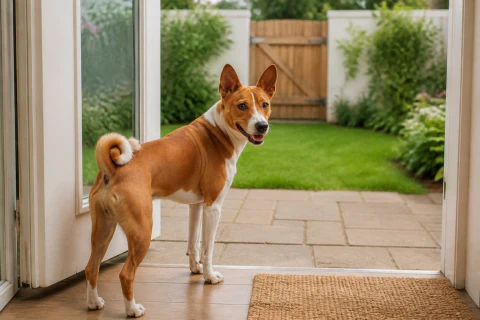
A Basenji can fit a condo when exercise, enrichment, toileting and vocal behaviour are managed. Secure windows, balcony gaps, doors and lift transitions matter because curiosity and speed can meet quickly.
A garden needs secure gates and complete fencing, and should not become an unsupervised solution to exercise. Check climbable objects and gaps regularly, and use a lead outside secure areas.
Heat and humidity
The short coat is practical in Thailand, but it does not make a dog immune to heat. Provide water, shade and a cool indoor resting place, and use the coolest suitable periods for active walks.
Never leave a Basenji in a parked vehicle or warm enclosed space. Reduce activity when the individual dog is uncomfortable rather than pursuing a fixed route or schedule.
Health and everyday care
Useful everyday care includes a comfortable body condition, tooth brushing, nail care, short-coat brushing, ear and skin observation, secure equipment, varied activity and enough undisturbed rest.
This guide provides general ownership information, not veterinary advice. Persistent changes in appetite, energy, breathing, movement, digestion, skin or behaviour should be discussed with a veterinarian.
How Perfect Pedigree sources Basenjis
Perfect Pedigree has helped families find puppies in Thailand since 2014. For a Basenji enquiry, we consider temperament, upbringing, known parent information and whether the household understands independence, chase behaviour, secure boundaries and the breed’s real voice.
We explain the veterinary care, documentation and other information available for the individual puppy before reservation. We also discuss children, other animals, time alone and realistic training expectations. A person remains involved before reservation.
Typical availability in Thailand
Basenjis are less commonly available in Thailand than many familiar companion breeds. A suitable enquiry may take time, and colour or novelty should not outweigh temperament, upbringing and household fit.
Available Basenji litters and enquiries
Current puppies appear by litter on Available Puppies. If none is shown, tell us about your home, dog experience, other animals, secure exercise options and timing so we can discuss a current or later Basenji enquiry.
Frequently asked questions
Is a Basenji completely silent?
No. It does not bark in the conventional way, but it can yodel, whine and make several other expressive sounds.
Can a Basenji be trusted off lead?
The breed’s speed, independence and hunting motivation make secure areas and careful lead use important. Individual training helps, but should not replace sensible management around roads or wildlife.
Can a Basenji live in a condo?
Yes, for a suitable individual when daily exercise, enrichment, toileting, neighbours and secure exits are managed carefully.
Sources and authorship
- Fédération Cynologique Internationale, Basenji Standard No. 43, used for recognised origin, size, coat, movement, voice and broad temperament characteristics.
- The Royal Kennel Club, Basenji breed information, used selectively for adult size, exercise, grooming and general ownership context.
- American Kennel Club, Basenji breed information, used selectively for hunting background, independence, training challenge and yodel-like vocalisation context.
- PDSA, dogs die in hot cars and on hot walks, used for practical hot-weather, vehicle, shade and water precautions relevant to Thailand.
- Perfect Pedigree’s first-hand experience helping families find and raise puppies in Thailand since 2014, including experience with Basenjis.
Breed organisations and welfare sources are used selectively for neutral facts and practical context. Their registration, health-testing and purchasing recommendations are not presented as Perfect Pedigree policy.
Would this breed suit your family?
Browse current litters or tell us what you are looking for. We will review the enquiry personally and help you understand the next step.