
Thailand breed guide
Cavalier King Charles Spaniel in Thailand: is this breed right for you?
The Cavalier King Charles Spaniel is an affectionate, graceful companion that usually wants to be close to people. It can suit family and condo life, provided the household has time for companionship, gentle daily activity and regular care of the silky feathered coat.
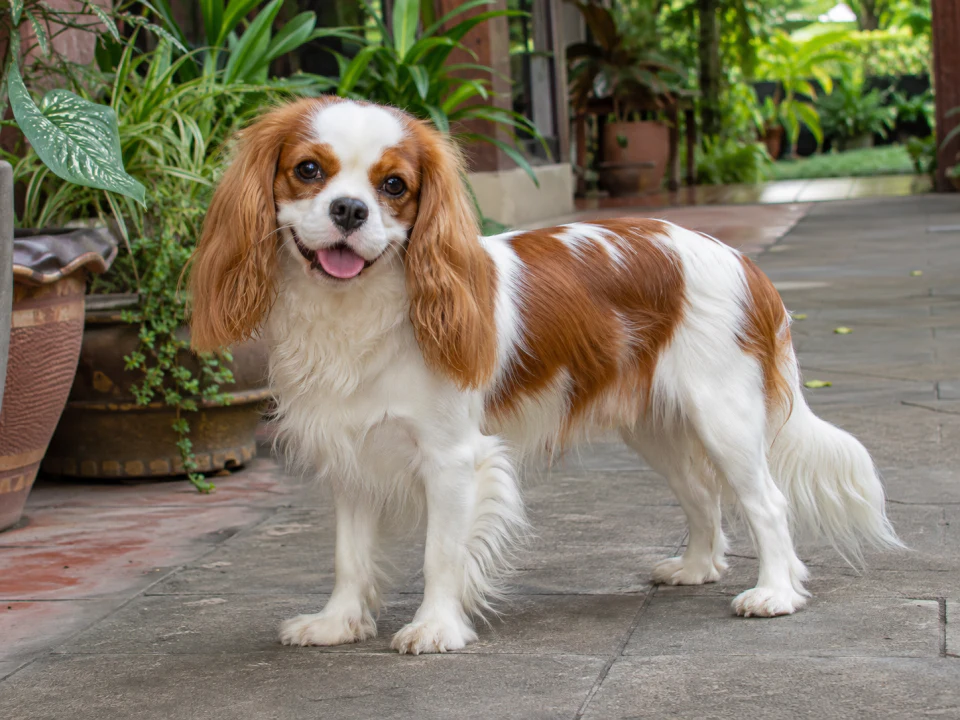
Is a Cavalier King Charles Spaniel suitable for life in Thailand?
Yes, for people who want a warm, people-oriented companion and can provide regular company. Cavaliers often combine a gentle household manner with enthusiasm for walks, games and exploring.
Their manageable size does not remove grooming, training or heat considerations. Long ears and feathering collect moisture and debris, while outdoor activity should be planned around Thailand’s climate.
Quick facts
Recognised weight
About 5.4 to 8 kg under the FCI standard
Breed type
Small companion spaniel
Exercise
Daily walks, play, sniffing and gentle training
Grooming
Regular brushing, especially ears and feathering
Home
Can suit condos when company and daily activity are provided
Best suited to
People wanting an affectionate companion involved in family life
Cavalier King Charles Spaniel or King Charles Spaniel?
They are separate breeds. The Cavalier is generally larger, with a longer muzzle and a more athletic outline. The King Charles Spaniel, also called the English Toy Spaniel in some countries, has a shorter face and different breed history.
Use the full breed name when enquiring. The word “Cavalier” is not an optional flourish, and photographs should be considered alongside accurate information about the parents and individual puppy.
Temperament and family suitability
The FCI describes the Cavalier as active, graceful, affectionate, friendly and non-aggressive. Many are adaptable companions that enjoy family contact and respond well to kind attention.
A friendly breed label does not guarantee confidence in every setting. Calm early exposure to people, sounds, handling, travel and suitable dogs helps the puppy develop without forced greetings.
Adult size and expected lifespan
The FCI gives a weight range of 5.4 to 8 kg and describes a well-balanced small dog. Actual adult size depends on the individual and parents, so exact predictions from a young puppy photograph are unreliable.
The portable size simplifies some logistics, but this remains a long-term commitment. Plan for changing activity, grooming and support needs through adulthood and later life.
From soft puppy coat to feathered adult
A puppy has less feathering than a mature dog. Introduce brushing, ear handling, tooth care, drying and calm grooming-table behaviour while sessions can remain short.
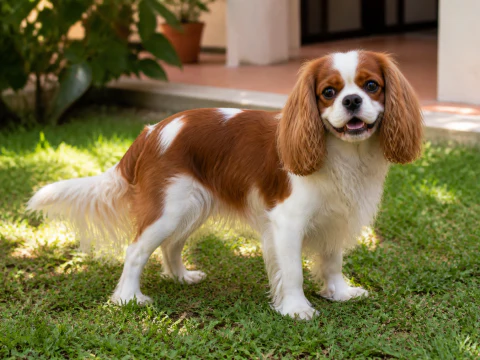
The older adult shown here illustrates how the face, ears and coat mature across life. Colour pattern, coat amount, size and expression vary between individuals.

Exercise and mental stimulation
Most Cavaliers enjoy daily walks, sniffing, play and short training. They are companions rather than ornaments, and benefit from regular opportunities to explore and move.
Use cooler mornings and evenings in Thailand. Indoor searches and gentle games are useful when strong sun, humidity or heavy rain makes an outdoor session uncomfortable.
Training considerations
Reward-based training suits this people-focused spaniel. Teach toileting, recall, calm greetings, loose-lead walking, settling and comfortable grooming from an early age.
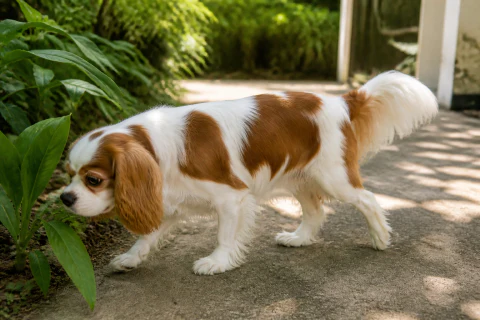
Spaniel curiosity may draw attention towards birds, smells and movement. Practise recall in safe places and use a lead where the environment is not secure.
Barking and independence
Some Cavaliers alert to visitors or shared-building sounds, while others are relatively quiet. Reinforce calm observation and a reliable settle rather than waiting for barking to become established.
They commonly prefer company. Introduce time alone in small comfortable steps and assess whether the household’s ordinary weekday offers enough contact.
Grooming, shedding and smell
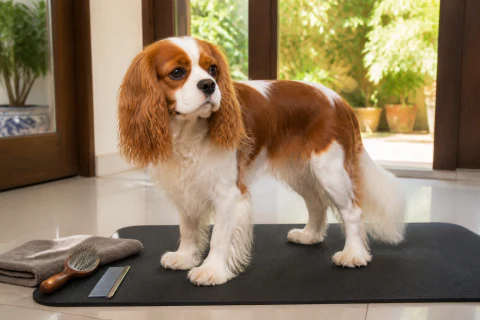
Brush the silky coat and feathering regularly, paying attention behind the ears, under the legs and where a harness rubs. Remove debris after walks and dry the coat and ears thoroughly after rain or bathing.
Routine tooth brushing, nail care and clean bedding help everyday comfort. A shorter practical trim can simplify maintenance, although the coat still needs care.
Children and other animals
Cavaliers can be gentle family companions when children use calm hands and respect resting, eating and retreat spaces. Small size still requires protection from drops and rough play.
Many live comfortably with other suitable dogs, but every introduction should be supervised. Interest in smaller animals varies because this remains a spaniel.
Condos, gardens and time alone
A condo can work well when the dog receives walks, companionship, toileting access and a quiet resting place. Lift manners and shared-corridor greetings are useful practical skills.
A garden is optional and does not replace family contact. The most important question is whether the dog will be included in ordinary life rather than left alone for long routine periods.
Heat and humidity
Use shade, drinking water, air movement, a cool indoor base and cooler exercise times. Long ears and feathering should be kept clean and dry during humid or rainy weather.
Adjust activity to direct sun, humidity, surface temperature and the individual dog. A gentle breed still needs the person to notice discomfort and change the plan.
Health and everyday care
Useful everyday care includes brushing, ear and skin observation, tooth brushing, nail trimming, maintaining a healthy body condition and arranging routine vaccinations and parasite prevention with the family’s vet.
This guide provides general ownership information, not veterinary advice. A meaningful change in appetite, energy, breathing, movement, eyes, ears, skin or behaviour should be discussed with a veterinarian.
How Perfect Pedigree sources Cavalier King Charles Spaniels
Perfect Pedigree has helped families find puppies in Thailand since 2014. For a Cavalier enquiry, we discuss companionship, grooming, activity and household fit, then consider the puppy’s temperament, upbringing and known parent information.
We explain the veterinary care, documentation and other information available before reservation. Details vary by puppy and are confirmed rather than assumed from a breed name or kennel-club model. A person remains involved before reservation.
Typical availability in Thailand
Cavalier King Charles Spaniels are less continuously available in Thailand than some small companion breeds. Colour preferences and timing may require patience, and we confirm that an enquiry concerns the Cavalier rather than the separate King Charles Spaniel.
Available Cavalier King Charles Spaniel litters and enquiries
Current puppies appear by litter on Available Puppies. If none is shown, tell us about your household, preferred timing and what attracts you to the breed so we can discuss realistic options.
Frequently asked questions
Is a Cavalier King Charles Spaniel suitable for a condo?
Yes, when the dog receives daily walks, companionship, grooming and a reliable toileting routine. Shared-building manners should be taught from puppyhood.
Does a Cavalier need professional grooming?
The coat does not require an elaborate show finish, but many families use occasional professional grooming. Regular brushing, drying and ear-area care continue at home.
Is a Cavalier the same as a King Charles Spaniel?
No. They are separate breeds. The Cavalier is generally larger, longer-muzzled and more athletic in outline, so use the full breed name when enquiring.
Sources and authorship
- Fédération Cynologique Internationale, Cavalier King Charles Spaniel Standard No. 136, used for recognised weight, coat and broad temperament characteristics.
- The Royal Kennel Club, Cavalier King Charles Spaniel breed information, used selectively for breed identity and general ownership context.
- The Cavalier King Charles Spaniel Club, characteristics, used selectively for companion character and the distinction from the King Charles Spaniel.
- Blue Cross, keeping pets cool in summer, used for practical hot-weather precautions relevant to life in Thailand.
- Perfect Pedigree’s first-hand experience helping families find and raise puppies in Thailand since 2014, including experience with Cavalier King Charles Spaniels.
Breed organisations and welfare sources are used selectively for neutral facts and practical context. Their registration, health-testing and purchasing recommendations are not presented as Perfect Pedigree policy.
Would this breed suit your family?
Browse current litters or tell us what you are looking for. We will review the enquiry personally and help you understand the next step.