
Thailand breed guide
French Bulldog in Thailand: is this breed right for you?
The French Bulldog is a compact, affectionate companion whose moderate exercise needs can suit city life. Thailand’s heat is the defining practical consideration, so the right home provides a cool indoor base and puts comfort before a fixed exercise routine.
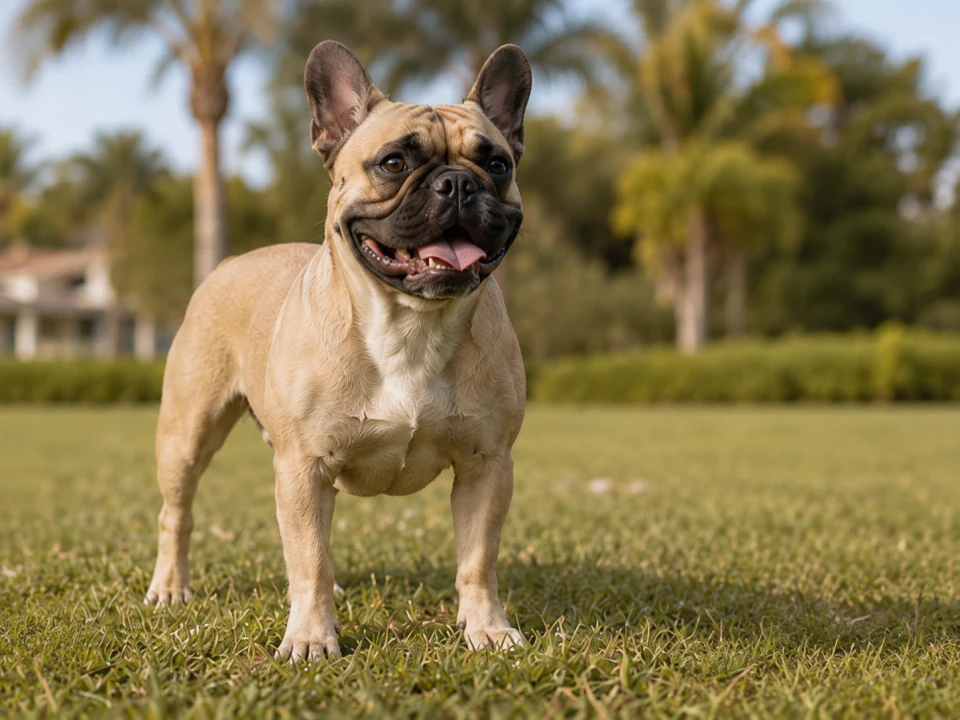
Is a French Bulldog suitable for life in Thailand?
Yes, for a household wanting a people-focused companion and able to organise daily life around the climate. French Bulldogs are small, playful and usually happiest close to their family. They do not need the mileage of a working breed, but they still need gentle activity, training and things to do.
Their short muzzle makes hot, humid conditions especially important. Reliable air conditioning, cooler exercise times and careful observation are not optional extras in Thailand. A home that expects long sunny walks or outdoor living should choose another breed.
Quick facts
Recognised height
About 24 to 35 cm under the FCI standard
Recognised weight
About 8 to 14 kg, with males generally heavier
Exercise
Short daily walks, play and training in cool conditions
Grooming
Simple short-coat care with regular skin-fold attention
Home
Well suited to indoor life when heat and noise are managed
Best suited to
People wanting a sociable, amusing companion rather than an endurance dog
A small dog with needs that should not be underestimated
The French Bulldog’s compact size and moderate exercise needs can make daily logistics easier than with a large active breed. That does not make ownership effortless. Training, weight management, cleaning, temperature control and companionship still need a consistent routine.
Choose the breed because its character and practical needs fit your life, not because a short coat appears maintenance-free. In Thailand, the household’s ability to provide a cool environment matters more than having a large garden.
Temperament and family suitability
The FCI describes the breed as sociable, lively, playful and keen. Many French Bulldogs are affectionate household companions that enjoy attention, games and being included in ordinary family routines.
Individual confidence and sociability vary. Calm early exposure to visitors, traffic, lifts, handling and short journeys helps a puppy cope with city life without expecting it to greet every person or dog.
Adult size and expected lifespan
The FCI gives a height range of roughly 27 to 35 cm for males and 24 to 32 cm for females, with corresponding weight ranges of 9 to 14 kg and 8 to 13 kg. This is a small but muscular dog rather than a delicate toy breed.
No lifespan can be promised. Plan for a long household commitment and for care needs to change from puppyhood through adulthood and later life.
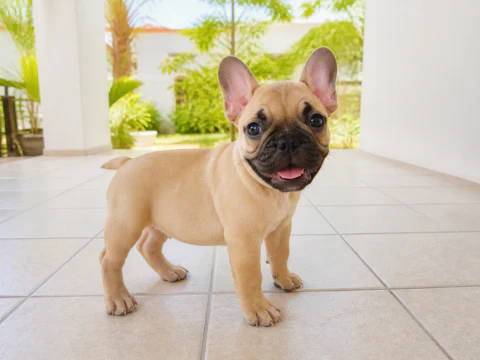
From compact puppy to solid adult
A puppy will become broader, heavier and physically stronger. Calm lead walking, comfortable handling and settling are easier to teach before adult habits are established.
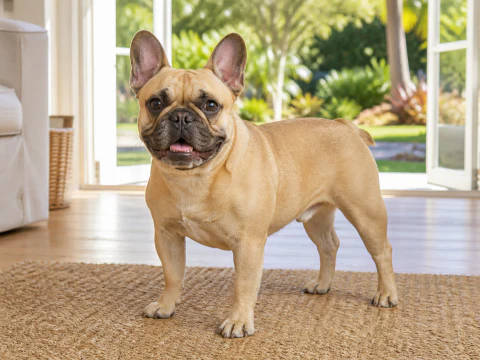
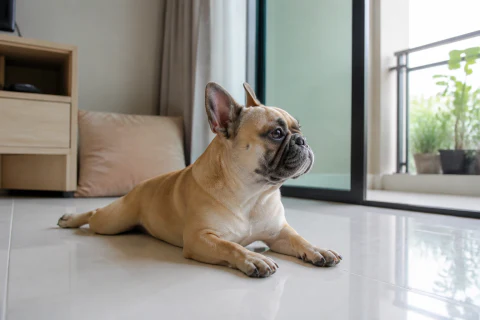
The adult dog shown here illustrates the breed’s compact but substantial build. Colour, markings, ear carriage and body shape vary, so photographs should not be used to promise an exact adult appearance.
Exercise and mental stimulation
Short walks, sniffing, gentle play and brief training sessions can provide a satisfying daily routine. The goal is regular appropriate activity, not exhausting the dog or meeting an arbitrary distance.
Use cool mornings, evenings and indoor games in Thailand. Stop or shorten activity when the individual dog is uncomfortable, even if another dog would continue.
Training considerations
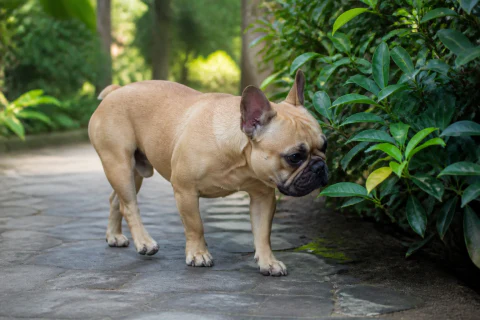
Reward-based training and clear household routines work well. Useful early skills include toileting, coming when called, walking without pulling, waiting at doors, settling and accepting routine cleaning and handling.
French Bulldogs can be enthusiastic and persistent. Keep sessions short, make the reward worthwhile and prevent unwanted habits rather than relying on repeated correction.
Barking and independence
Many are not constant barkers, but individuals may react to corridor sounds, visitors or excitement. Rewarding quiet observation and teaching a settle are particularly useful in condos.
This companion breed often prefers company. Time alone should be introduced gradually, with realistic arrangements for households that are regularly away for long periods.
Grooming, shedding and smell
The short coat needs brushing and the facial folds, skin, ears and feet need routine observation and gentle cleaning. After bathing or rain, dry the dog and any folds thoroughly rather than allowing moisture to remain trapped.
French Bulldogs shed despite the short coat. Regular cleaning of bedding and soft furnishings helps keep the home fresh, while strong or persistent odour deserves attention rather than being accepted as normal for the breed.
Children and other animals
A sociable French Bulldog can be an entertaining family companion. Children should use calm hands, leave a resting or eating dog alone and avoid rough games that encourage jumping or overexcitement.
Introduce other dogs and household animals carefully. Breed reputation cannot replace supervision, individual assessment and considerate management.
Condos, gardens and time alone
A condo can work well because the breed is compact and does not require extensive outdoor exercise. The home still needs a reliable toileting routine, sound management, indoor enrichment and a cool quiet place to sleep.
A garden is useful only when used safely. It does not make hot-weather exposure appropriate and it does not replace time with the family.
Heat and humidity
French Bulldogs need especially conservative hot-weather management. Provide air conditioning or effective indoor cooling, fresh water, shade and short activity at the coolest practical times. Avoid hot vehicles, exposed outdoor areas and hot surfaces.
Watch the dog in front of you. Breathing effort, pace, recovery and willingness to continue are more useful than a fixed timetable. When in doubt, move indoors and allow the dog to cool and rest.
Health and everyday care
Useful everyday care includes keeping the dog lean, maintaining clean dry folds, brushing teeth, trimming nails, checking ears and feet, and arranging routine vaccinations and parasite prevention with the family’s vet. A calm handling routine makes these tasks easier.
This guide provides general ownership information, not veterinary advice. A noticeable change from the dog’s normal breathing, energy, appetite, movement, eyes or skin should be discussed promptly with a veterinarian.
How Perfect Pedigree sources French Bulldogs
Perfect Pedigree has helped families find puppies in Thailand since 2014. For a French Bulldog enquiry, we consider the intended home, the puppy’s temperament and upbringing, known parent information and the practical demands of the climate.
We explain the veterinary care, documentation and other information available for the individual puppy before reservation. These details vary and are confirmed rather than assumed from a breed label or kennel-club model. A person remains involved before reservation.
Typical availability in Thailand
French Bulldogs are regularly seen in Thailand, but suitable individual puppies are not continuously available. Colour alone is a poor way to choose. Temperament, comfort, upbringing and fit with the household should lead the conversation.
Available French Bulldog litters and enquiries
Current puppies appear by litter on Available Puppies. If none is shown, tell us about your household, daily routine and preferred timing so we can discuss whether a current or later French Bulldog enquiry is realistic.
Frequently asked questions
Can a French Bulldog live in a condo?
Yes, when the home is cool, daily toileting and activity are organised, and barking or shared-building sounds are managed. A condo with reliable cooling can be more suitable than a hot house with a large garden.
How much exercise does a French Bulldog need?
Most benefit from short daily walks, sniffing, play and training rather than prolonged or strenuous exercise. Adjust every outing to the weather and the individual dog.
Is Thailand too hot for a French Bulldog?
The breed can live in Thailand only with careful heat management and a dependable cool indoor environment. Families wanting a mainly outdoor dog should consider a different breed.
Sources and authorship
- Fédération Cynologique Internationale, French Bulldog Standard No. 101, used for recognised size, coat and broad temperament characteristics.
- The Royal Kennel Club, French Bulldog breed information, used selectively for breed background, size and general ownership context.
- American Kennel Club, French Bulldog breed information, used selectively for companion character, training and coat-care context.
- RSPCA, keeping dogs safe in hot weather, used for practical hot-weather precautions relevant to life in Thailand.
- Perfect Pedigree’s first-hand experience helping families find and raise puppies in Thailand since 2014, including experience with French Bulldogs.
Breed organisations and welfare sources are used selectively for neutral facts and practical context. Their registration, health-testing and purchasing recommendations are not presented as Perfect Pedigree policy.
Would this breed suit your family?
Browse current litters or tell us what you are looking for. We will review the enquiry personally and help you understand the next step.