
Thailand dog guide
Maltipoo in Thailand: is this cross right for you?
A Maltipoo can be a bright, affectionate small companion for people who want a dog closely involved in everyday life. The right home understands that Maltipoo puppies can differ in adult size, coat and temperament, and is ready for regular grooming, patient training and plenty of company.
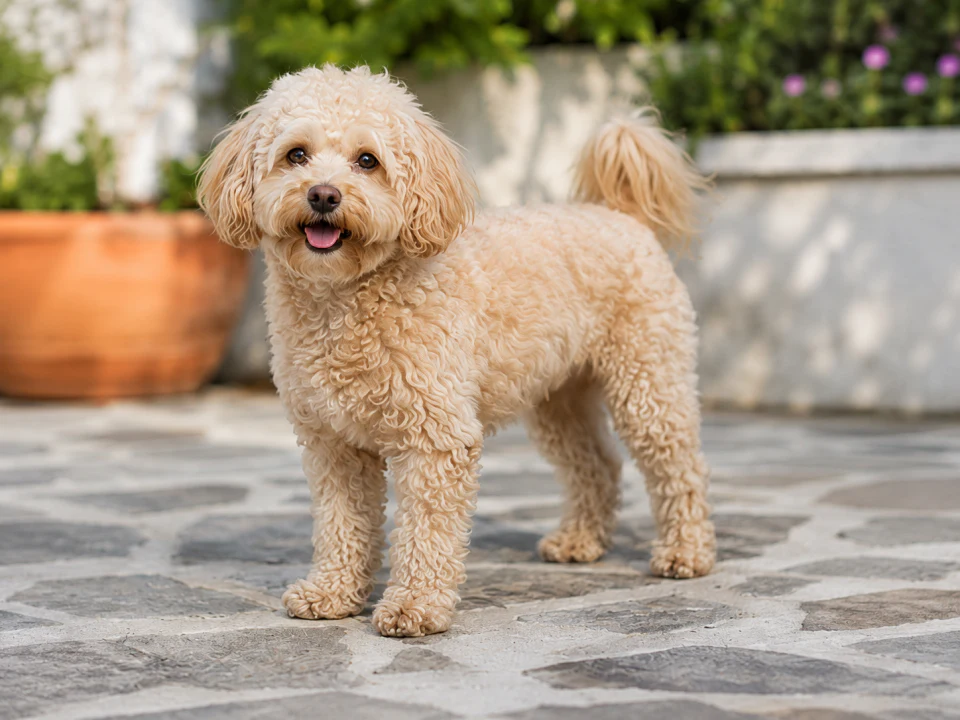
Is a Maltipoo suitable for life in Thailand?
Yes, for a household that wants a small companion and can manage grooming, company and Thailand’s heat. Maltipoos often fit comfortably into condos and smaller homes, but small does not mean self-sufficient. Many want to follow their people, learn household routines and take part in short walks, games and outings.
A comfortable home needs shade or air conditioning, cooler-time exercise and a realistic plan for toileting, barking and time alone. Fine or curly coats can tangle quickly, particularly after rain, swimming or wearing a harness. This is not a low-maintenance choice simply because the dog is small.
Quick facts
Parentage
Maltese crossed with a Toy or Miniature Poodle
Adult size
Usually small, but the actual parents and their adult weights are more useful than a cross label
Coat
May be curly, wavy or straighter; lower shedding is possible but not guaranteed
Grooming
Frequent brushing and combing, plus regular professional trimming for most coats
Activity
Daily walks, play, training and companionship, adjusted to the individual dog
Best suited to
People who want an affectionate indoor companion and can give it regular attention
What does Maltipoo mean?
A Maltipoo is a cross between a Maltese and a Toy or Miniature Poodle. It is not a separate breed with a fixed FCI standard. The term describes the parentage, but does not guarantee one exact size, coat, colour, amount of shedding or personality.
Labels such as F1 or F1b describe a family relationship, not a promise about the puppy’s adult qualities. Two puppies in the same litter can still develop differently. Ask which size of Poodle was used, look at the parents where information is available and discuss the individual puppy rather than choosing from the label alone.
Temperament and family suitability
Both parent breeds were developed as companions, and many Maltipoos are affectionate, lively and people-focused. They can be quick learners who enjoy attention, games and simple training. A sociable Maltipoo may suit a family, a couple or one person who wants a dog to share daily life with.
No cross automatically combines only the easiest qualities of both parents. Some puppies are bold and busy, some more sensitive, and some become very attached to one person. The parents, early environment, handling, training and household routine all help shape the adult dog.
Adult size and expected lifespan
Maltipoos are generally small dogs, but there is no single recognised adult size. A Maltese parent is normally smaller than a Miniature Poodle, while Toy and Miniature Poodles are themselves different recognised sizes. Ask for the actual parents’ adult weights and heights when available, then treat any puppy estimate as a guide rather than a guarantee.
This is a long-term commitment that may extend well into the dog’s teenage years. No age can be promised for an individual dog. Plan for grooming, dental care, transport, companionship and changing needs through adulthood and the slower senior years.
From fluffy puppy to adult companion
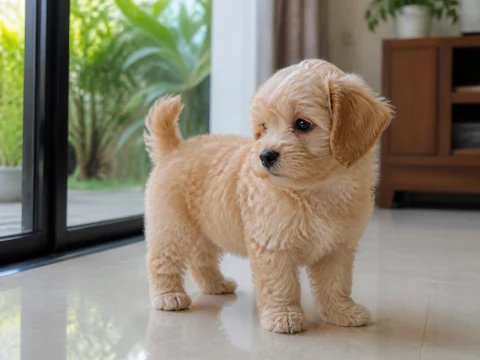
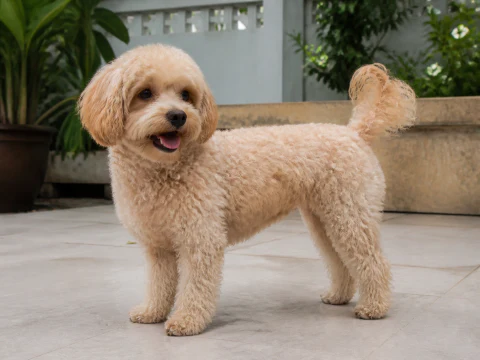
A puppy has a soft, loose coat. A Maltipoo’s adult coat may become curlier, remain wavy or grow in a different texture as the puppy matures.
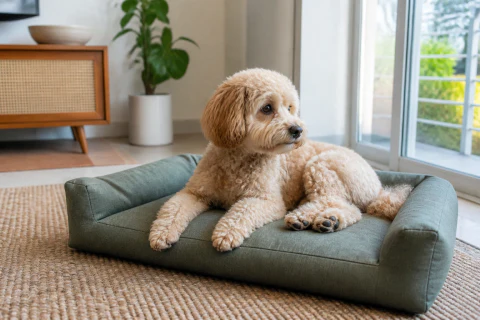
The adult dog shown here demonstrates one possible look, not a guaranteed result. Colour can lighten, proportions change and grooming style makes a large visual difference.
Exercise and mental stimulation
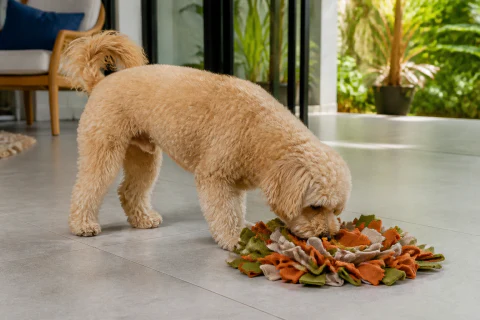
Most adult Maltipoos benefit from daily walks, play and short training sessions rather than one long, intense outing. Sniffing, food puzzles, searching for toys and practising useful household skills can tire a small dog without overloading it in the heat.
Puppies need age-appropriate activity with plenty of rest. Increase outings gradually and avoid judging exercise needs only by size. A lively young Maltipoo can still need meaningful things to do, while an older or more sensitive dog may prefer a gentler rhythm.
Training considerations
Start with toileting, coming when called, calm handling, settling, lead walking and short periods apart. Reward-based training suits a companion that is often attentive and food-motivated. Keep sessions brief, clear and enjoyable.
Small dogs still need ordinary manners. Picking a puppy up whenever it is worried or excited can prevent it from learning how to cope on the ground. Build confidence gradually around lifts, traffic, grooming, visitors, other dogs and the sounds of a Thai home.
Barking and independence
A Maltipoo may alert to corridor sounds, visitors, other dogs or activity outside. Barking varies, but condo households should plan for it from the start. Reward calm behaviour, provide enough activity and avoid repeatedly rehearsing barking at the door or window.
Many Maltipoos enjoy close company and do not naturally choose long periods alone. Teach independence in small, comfortable steps while the puppy is settled, rather than waiting for a full working day. A camera can help the household see whether the dog is resting or becoming distressed.
Grooming, shedding and smell
Maltipoos are often chosen in the hope of lower shedding, but no puppy can be guaranteed not to shed and no dog is truly hypoallergenic. Coat texture varies. A coat that drops less hair may still hold loose hair close to the skin and form tangles quickly.
Brush and comb through to the skin, paying attention behind the ears, under the collar or harness, in the armpits and around the legs. Most owners use a professional groomer for regular trimming. Dry the coat after rain or swimming, and keep the face clean and comfortable between appointments. A healthy, clean dog should not have a strong persistent smell.
Children and other animals
A friendly Maltipoo can be a lovely family companion, but small size makes calm handling important. Children should sit to greet a puppy, avoid chasing or carrying it and leave it alone when eating or resting. Adults remain responsible for every interaction.
Introductions to resident dogs and cats should be gradual and supervised. A confident small dog may play enthusiastically, while a cautious one may need more space. Match playmates by behaviour and play style, not just by body size.
Condos, gardens and time alone
A Maltipoo can suit condo living when the household has a reliable plan for toileting, daily outings, barking and calm behaviour in lifts and corridors. Check the building’s rules before making a commitment. A garden is convenient but does not replace walks, training or time together.
Think carefully about the real weekday routine. If everyone is away for long hours, arrange suitable support and teach time alone gradually. A close companion should not be expected to change suddenly from constant puppy company to a full day by itself.
Heat and humidity
Exercise early or later in the day, provide shade and fresh water, and let the dog rest in a cool indoor space. Small dogs are still vulnerable to hot pavements and enclosed cars. Check the surface with your hand before walking and choose shorter outings when conditions are uncomfortable.
Humidity can make a dense or tangled coat uncomfortable. Keep the coat in a practical condition, dry it properly after getting wet and check the skin, paws and ears during normal grooming. Do not shave a dog simply as a substitute for an appropriate heat routine.
Health and everyday care
A useful home routine includes measured meals, fresh water, regular activity, tooth brushing, nail care and ear, eye, skin and paw checks. Brush and comb often enough to find tangles early. Keep hair around the eyes and mouth clean with plain water or the routine agreed with your groomer or veterinarian.
Watch body condition beneath the coat rather than judging by fluff. Ask your veterinarian to show you what a healthy body condition feels like and to help set routine vaccinations, parasite prevention, dental care and check-ups for the individual dog.
A marked change from the dog’s normal appetite, energy, breathing, movement, toileting, skin, eyes, ears or behaviour deserves professional advice rather than an online diagnosis. This page explains general ownership, not veterinary treatment.
Before reservation, Perfect Pedigree explains the checks completed for the particular puppy and the documents that will accompany it. Details can vary, so they are confirmed for the puppy rather than assumed from the Maltipoo label.
How Perfect Pedigree sources Maltipoos
Perfect Pedigree has helped families find puppies in Thailand since 2014, including small companion crosses requested by customers. We use long-standing relationships with breeders and breed enthusiasts, together with first-hand experience of the homes and practical questions our customers bring, to consider each puppy and its fit with the intended home.
For a Maltipoo, we consider the people responsible for the puppy, its early environment, age, condition and confidence, together with the information available about its Maltese and Poodle parents. The size of the Poodle parent and the parents’ adult weights are particularly useful when available.
We explain what is known, how the puppy has been described, what documents are available and what is included before the customer commits. Maltipoo paperwork may record parentage or breeder information, but it does not turn the cross into a separate recognised pure breed. A colour, generation label or fluffy puppy photograph should not replace discussion of the individual puppy, adult-size estimate, coat care, temperament and intended home.
Our role continues through selection, reservation, the agreed pre-delivery checks, documentation and delivery arrangements. You can discuss the particular puppy and your home with us before deciding, rather than relying on a listing alone.
Typical availability in Thailand
Maltipoos are regularly requested in Thailand and have appeared in Perfect Pedigree’s recent puppy listings. Availability, parent combination, expected size, colour and documentation vary as puppies are reserved and new litters complete public review. Check the live page or send an enquiry rather than assuming a particular type is available.
Available Maltipoo litters and enquiries
View current litters and individual puppies. If no suitable Maltipoo is available, tell us about your home, weekday routine, preferred adult size and timing. We will explain what is currently available and what is realistic.
Frequently asked questions
Is a Maltipoo a recognised breed?
No. Maltipoo is the term used for a Maltese crossed with a Toy or Miniature Poodle. There is no separate FCI Maltipoo breed standard, so adult qualities should be discussed using the actual parents and individual puppy.
How big will a Maltipoo grow?
Most are small, but there is no single guaranteed size. Ask which Poodle size was used and review the parents’ adult weights and heights when available. Treat any estimate for a puppy as a guide.
Is a Maltipoo hypoallergenic?
No dog is truly hypoallergenic, and coat and shedding can vary even within one litter. Some Maltipoos shed less than many other dogs, but low shedding should not be promised for an individual puppy.
Can a Maltipoo live in a condo?
Yes, when the household can provide daily outings, grooming, training, toileting and gradually taught time alone, while managing barking and shared-space manners.
Does a Maltipoo need professional grooming?
Most do. Regular trimming helps keep a practical coat, while brushing, combing, drying and everyday checks at home remain necessary between appointments.
Do F1 or F1b labels guarantee a particular coat or personality?
No. The labels describe family relationships. They do not guarantee adult size, coat, shedding or temperament, so the parents and individual puppy remain more useful.
Sources and authorship
- Fédération Cynologique Internationale, Poodle Standard No. 172, used for the Poodle parent’s recognised sizes and broad companion characteristics.
- Fédération Cynologique Internationale, Maltese Standard No. 65, used for the Maltese parent’s recognised size and broad companion characteristics.
- PetMD, Maltipoo, veterinarian-reviewed general information used selectively for cross-specific coat, grooming and household considerations.
- Perfect Pedigree’s first-hand experience helping families find and raise puppies in Thailand since 2014, together with current and historical Maltipoo availability.
The FCI sources describe the two parent breeds. They are not presented as a Maltipoo standard or as Perfect Pedigree policy.
Author: The Perfect Pedigree team, drawing on first-hand experience helping families find and raise puppies in Thailand since 2014.
This page provides general dog and ownership information, not veterinary advice. Health information and documents vary between individual puppies and will be explained before reservation.