
Thailand breed guide
Shiba Inu in Thailand: is this breed right for you?
The Shiba Inu is a compact Japanese breed with quick movement, clean habits and a confident independent character. It can suit city life better than a large northern dog, but small size does not make training, recall or secure management effortless.
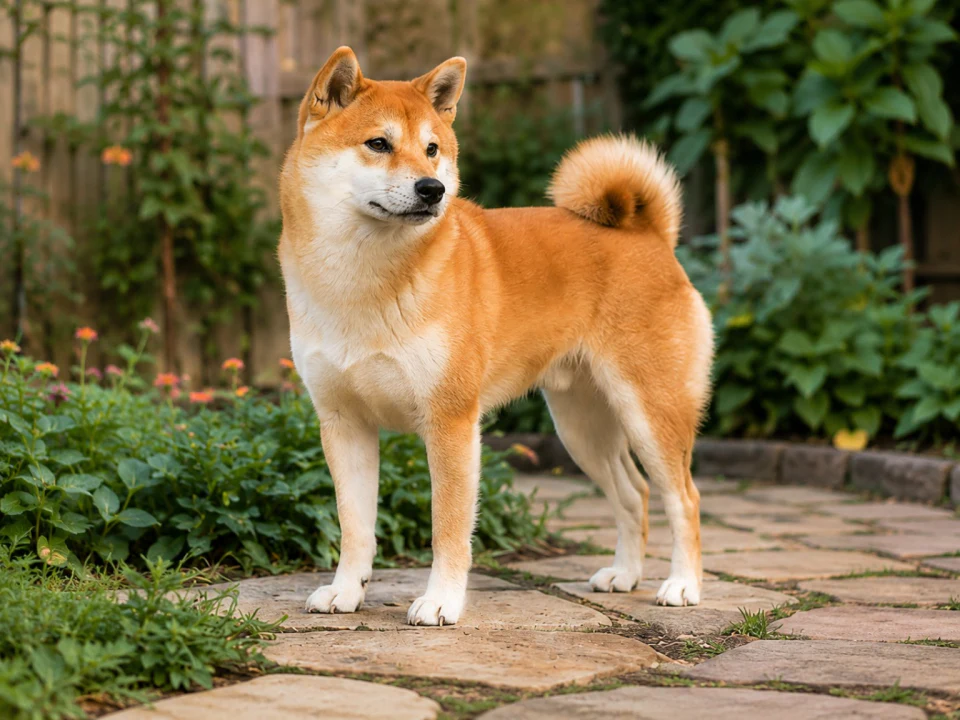
Is a Shiba Inu suitable for life in Thailand?
Yes, for people who appreciate an observant, self-possessed dog and will combine training with secure management. Shiba Inus can be affectionate with their own household, entertaining in their opinions and tidy in the home.
They are not miniature retrievers. Many dislike being physically compelled, may be selective about unfamiliar dogs and retain strong interest in movement and scent. The right person enjoys building cooperation without expecting automatic obedience.
Quick facts
Recognised height
About 36.5 to 39.5 cm, depending on sex
Adult build
Small, muscular and agile
Exercise
Daily walks, exploration, play and training
Grooming
Regular brushing with heavy seasonal shedding
Home
Can suit a condo with secure exits and good manners
Best suited to
Patient homes that value confidence and independence
Compact does not mean biddable
The Shiba Inu is the smallest of Japan’s native spitz breeds, but its historical hunting role contributes to alertness, quick reactions and independent choices. It should not be selected as an easier, smaller version of an Akita.
Good ownership uses reward-based training, secure boundaries and respect for the dog’s signals. Forcing handling or relying on off-lead obedience in an unsecured place can create avoidable conflict.
Temperament and family suitability
The FCI describes the Shiba through spirited boldness, good nature, alertness and keen senses. Many are affectionate with familiar people while remaining more reserved or selective than an openly social companion breed.
Respectful early experience matters. The goal is a confident dog that can be handled and guided safely, not one that must welcome every person or dog.
Adult size and expected lifespan
The FCI standard gives about 39.5 cm for males and 36.5 cm for females, with a tolerance of 1.5 cm either way. The body is small but strong and agile.
Many Shibas live well into their teenage years, but no lifespan can be promised for an individual. Plan for activity, dental care, transport and companionship throughout later life.
From bold puppy to self-possessed adult
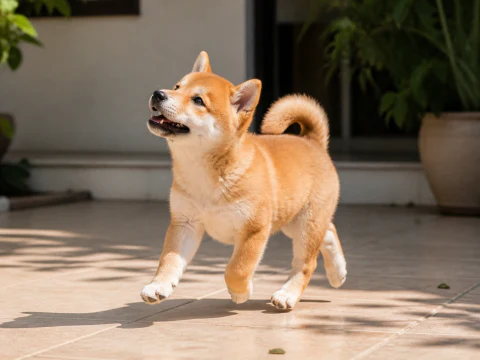
A puppy is at a valuable stage for positive handling, lead skills, calm greetings, grooming and gradual confidence around ordinary city life.
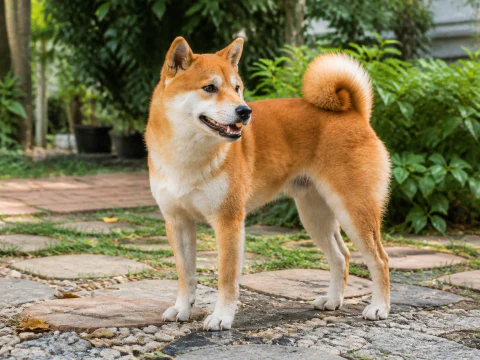
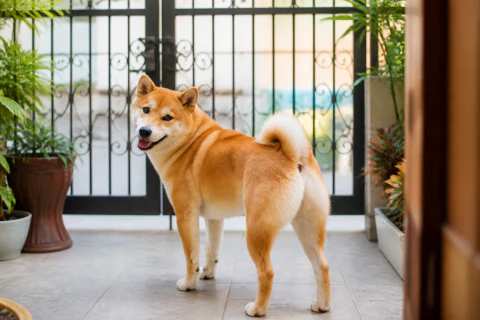
The adult dog shown here illustrates the compact, balanced body and curled tail associated with the breed. Adult independence and dog preferences may become clearer with maturity.
Exercise and mental stimulation
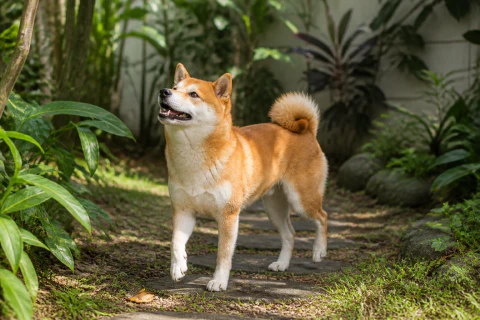
Daily walks, sniffing, exploration, play and short training suit most adults. The breed is active and benefits from secure opportunities to move, but it does not need the workload of a sled dog.
Use cooler times in Thailand and vary the route or activity. Mental engagement and the chance to investigate are often more satisfying than marching the same distance every day.
Training considerations
Reward-based teaching should cover lead walking, recall practice, waiting at exits, releasing objects, settling and cooperative handling. High-value rewards help make partnership worthwhile.
Recall should be practised but not treated as a reason to use unsecured spaces. A Shiba may make a fast independent decision when wildlife, a scent or an open gate appears.
Barking and independence
Many Shibas are not continuous barkers, but they can alert and may use a piercing vocal protest when distressed or strongly opposed to handling. Calm training helps reduce avoidable conflict.
They may tolerate some independence at home, but time alone still needs gradual preparation, exercise and a safe environment rather than abrupt long absences.
Grooming, shedding and smell
The short double coat is relatively clean but sheds, with heavy releases of undercoat at certain times. Brush regularly and expect much more loose hair during shedding periods.
Dry the coat after rain or bathing and check skin, ears, feet, nails and teeth. Routine handling is easiest when introduced positively during puppyhood.
Children and other animals
A well-matched Shiba can live happily with considerate children. Adults should supervise, protect the dog’s resting space and prevent grabbing, chasing or forced affection.
Compatibility with other dogs and smaller animals varies. Early introductions help, but hunting interest and adult selectivity still require individual assessment and management.
Condos, gardens and time alone
The compact size can suit a condo when exercise, vocalisation, toileting and shared-corridor manners are handled. Secure doors, balconies and lift routines deserve particular attention.
A garden is useful only when securely enclosed. Shibas are agile and interested in the outside world, so an open gate or low boundary should not be treated casually.
Heat and humidity
The double coat still requires sensible heat management in Thailand. Walk during cooler periods, provide water, shade and a cool indoor place, and reduce activity when humidity makes recovery harder.
Avoid hot vehicles and surfaces. A compact dog can still overheat, so observe the individual rather than assuming size makes warm-weather exercise safe.
Health and everyday care
Useful everyday care includes maintaining an appropriate body condition, age-suitable exercise, dental care, nail trimming, coat and paw checks, clean bedding and routine vaccinations and parasite prevention agreed with the family’s vet.
This guide provides general ownership information, not veterinary advice. Changes in movement, appetite, breathing, energy, skin, digestion or behaviour should be discussed promptly with a veterinarian.
How Perfect Pedigree sources Shiba Inus
Perfect Pedigree has helped families find Shiba Inu puppies in Thailand since 2014. We consider temperament, upbringing, known parent information and whether the household understands independent character, secure management and possible selectivity with other animals.
We explain the veterinary care, documentation and other information available for the individual puppy before reservation. We also discuss condo life, handling, children, heat and the family’s ordinary schedule. A person remains involved before reservation.
Typical availability in Thailand
Shiba Inus are available in Thailand from time to time. Red is familiar, but colour should not outweigh temperament, condition, upbringing and the individual puppy’s fit with the intended household.
Available Shiba Inu litters and enquiries
Current puppies appear by litter on Available Puppies. If none is shown, tell us about your home, experience, other animals, activity and preferred timing so we can discuss a current or later Shiba Inu enquiry.
Frequently asked questions
Is a Shiba Inu suitable for a condo?
Yes, when daily walks, toileting, secure exits, vocalisation and shared-building manners are properly managed. Small size does not remove the need for activity and training.
Can a Shiba Inu be trusted off lead?
Recall can be trained, but hunting interest and independent decisions make secure areas and appropriate lead management the safer ordinary choice.
Is a Shiba Inu the same as a small Akita?
No. Both are Japanese spitz breeds, but the Shiba is a separate, much smaller breed with its own history, proportions and character.
Sources and authorship
- Fédération Cynologique Internationale, Shiba Standard No. 257, used for recognised history, purpose, size, coat and broad temperament characteristics.
- National Shiba Club of America, The Shiba Inu, used selectively for realistic temperament, training and prospective-owner context.
- American Kennel Club, Shiba Inu breed information, used for adult size, broad lifespan, activity and grooming context.
- PDSA, heatstroke in dogs, used for practical hot-weather risk and prevention context relevant to Thailand.
- Perfect Pedigree’s first-hand experience helping families find and raise puppies in Thailand since 2014, including experience with Shiba Inus.
Breed organisations and welfare sources are used selectively for neutral facts and practical context. Their registration, health-testing and purchasing recommendations are not presented as Perfect Pedigree policy.
Would this breed suit your family?
Browse current litters or tell us what you are looking for. We will review the enquiry personally and help you understand the next step.