
Thailand breed guide
Shih Tzu in Thailand: is this breed right for you?
A Shih Tzu is a friendly, people-focused companion whose modest exercise needs can suit city life. The right home is ready for daily coat and face care, patient training and careful management of Thailand’s heat.
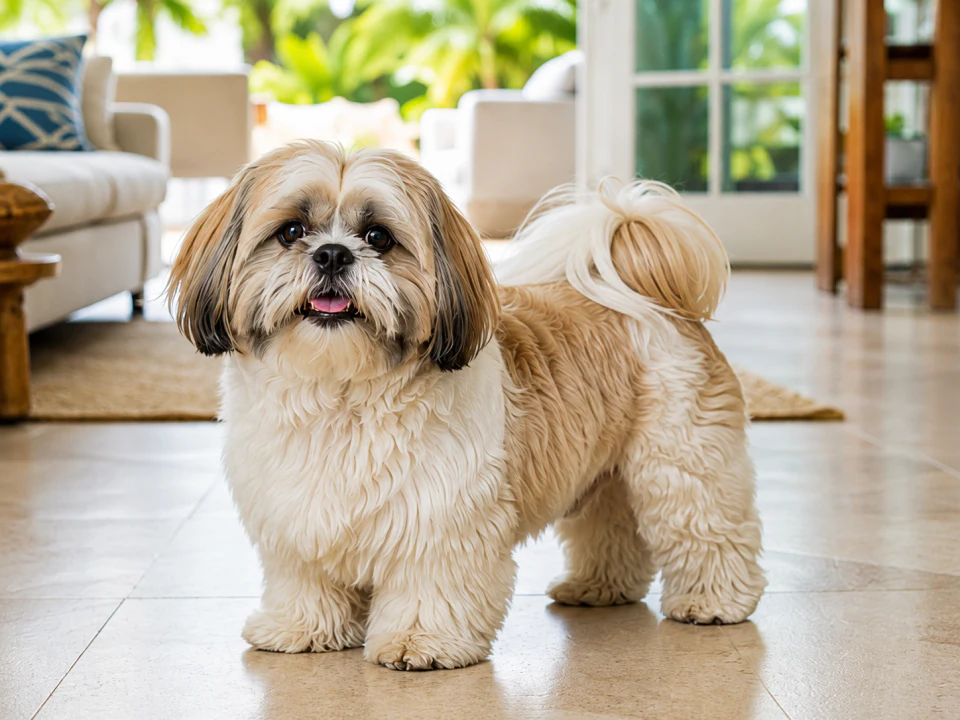
Is a Shih Tzu suitable for life in Thailand?
Yes, for people who want a small affectionate companion and can keep it cool, clean and closely involved in daily life. Shih Tzus often fit comfortably into condos, need less sustained exercise than sporting or working breeds and commonly enjoy meeting people.
The practical commitment is grooming and hot-weather management. Hair around the face, eyes and feet needs attention, and the short muzzle means activity should remain conservative in warm humid conditions.
Quick facts
Recognised height
No more than 27 cm under the FCI standard
Recognised weight
4.5 to 8 kg, with 4.5 to 7.5 kg preferred by the FCI
Exercise
Short daily walks, play and gentle training
Grooming
Daily care for a long coat or regular clipped-coat maintenance
Home
Usually well suited to condos with reliable cooling
Best suited to
People wanting a friendly, closely involved companion
What makes a Shih Tzu different from other small companion dogs?
The Shih Tzu combines a sturdy small body, a long flowing coat and a short broad face. It was developed primarily as a companion rather than for sporting or terrier work, so daily needs often centre on people, gentle activity and coat care.
That does not make every Shih Tzu quiet, instantly sociable or easy to groom. Individual confidence, early experience and consistent handling still matter.
Temperament and family suitability
The FCI describes the Shih Tzu as intelligent, active, alert, friendly and independent. Many are affectionate and enjoy being near people without needing vigorous work.
Their independent streak can appear as selective listening. Friendly consistency, small rewards and clear routines work better than assuming a companion breed will simply know what the household wants.
Adult size and expected lifespan
The FCI states that height should not exceed 27 cm and gives a weight range of 4.5 to 8 kg, with 4.5 to 7.5 kg preferred. Parent size and the puppy’s development are more useful than a tiny-size sales label.
This can be a long-lived family relationship. Plan for ongoing grooming, dental care, climate control and changing support needs rather than focusing only on the puppy stage.
From fluffy puppy to adult companion
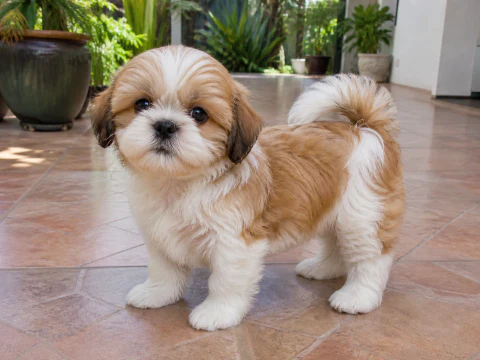
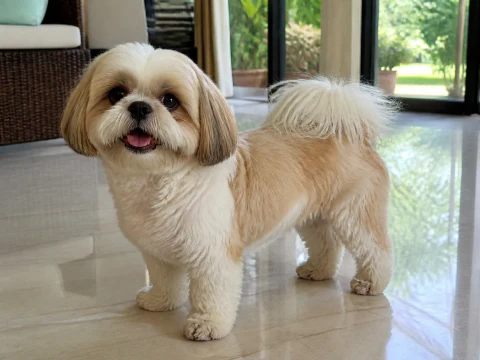
A puppy has a softer, simpler coat than many adults. Families can maintain a long coat or choose a shorter practical trim, but both require brushing, face cleaning and regular appointments.
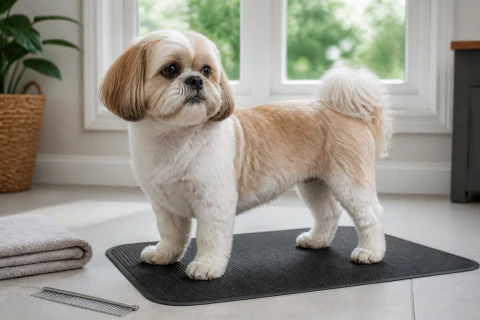
The adult image shows the breed in an ordinary family setting. Final coat colour, texture, face shape and size vary between individuals.
Exercise and mental stimulation
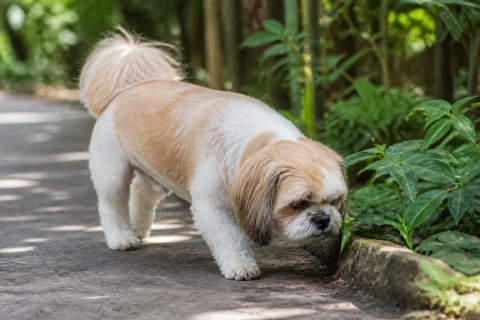
Short daily walks, sniffing, indoor play and training usually provide a useful balance. A Shih Tzu should have opportunities to move and explore, not spend ordinary life being carried.
Keep activity gentle in heat and humidity. Several short outings at cooler times can be more suitable than one long exposed walk.
Training considerations
Begin toileting, coming when called, settling, calm handling and cooperative grooming early. Short positive sessions suit the breed, and patient repetition is more useful than confrontation.
A consistent toilet location helps in condos and wet weather. Reward the puppy promptly and make the route easy to reach.
Barking and independence
Some Shih Tzus alert to visitors and shared-building sounds, while others are relatively quiet. Teach a calm response before barking becomes the established way to manage every sound.
They usually value company. Build time alone gradually and do not assume that a small companion dog will be comfortable with a full day alone.
Grooming, shedding and smell
A long coat needs frequent, often daily attention to prevent tangles. Many families choose a shorter trim, which still requires brushing, bathing, full drying and regular grooming appointments.
Keep hair around the face tidy, clean around the eyes and mouth gently, and check feet after wet walks. Clean dry coat and bedding help prevent stale odour.
Children and other animals
A friendly Shih Tzu can be a lovely family companion when children handle the dog gently and respect rest, food and personal space. Small size does not make rough play safe.
Introduce other dogs and animals calmly. The Shih Tzu’s sturdy appearance should not encourage unsupervised play with much larger dogs.
Condos, gardens and time alone
Condos often suit the breed because exercise distances are modest and the dog can rest comfortably indoors. Reliable cooling, toileting, grooming space and management of door or corridor sounds matter.
A garden is optional and does not replace short walks or interaction. Secure balconies, gates and small gaps as carefully as for any little dog.
Heat and humidity
The short muzzle and full coat make Thailand’s heat an important daily consideration. Use air conditioning or effective cooling, shade, water and the coolest practical exercise times. Avoid hot surfaces and sustained exertion.
Keep the coat free from mats and fully dry. A shorter trim may improve practical care but does not remove the need for conservative hot-weather activity.
Health and everyday care
Useful everyday care includes face and eye-area cleaning, frequent brushing, tooth brushing, nail care, maintaining a healthy body condition and keeping routine vaccinations and parasite prevention current with the family’s vet.
This is general ownership information, not veterinary advice. Any marked change from the dog’s normal breathing, energy, appetite, eyes, skin, movement or comfort should be discussed with a veterinarian.
How Perfect Pedigree sources Shih Tzus
Perfect Pedigree has helped families find puppies in Thailand since 2014. We use long-standing relationships and current local research to understand the parents, likely adult build, early environment, confidence and fit for the intended household.
We explain the individual puppy’s known care and documentation before reservation. These details vary and are confirmed for the puppy rather than assumed from the breed. A person remains involved before reservation.
Typical availability in Thailand
Shih Tzus are familiar in Thailand, but suitable litters, colours and timing change. A clear preference can guide an enquiry, but family fit and the individual puppy remain more important than colour alone.
Available Shih Tzu litters and enquiries
Current litters appear on Available Puppies. If none is shown, tell us about your home, cooling, children, other dogs, grooming plans and preferred timing.
Frequently asked questions
Can a Shih Tzu live comfortably in a condo?
Usually yes, when cooling, toileting, short daily activity, grooming and barking are managed.
Does a Shih Tzu need daily grooming?
A long coat usually does. A shorter family trim reduces the work but still needs regular brushing, bathing, drying and appointments.
How much exercise does a Shih Tzu need?
Most benefit from short walks, sniffing, play and training each day, adjusted conservatively for heat and the individual dog.
Sources and authorship
- Fédération Cynologique Internationale, Shih Tzu Standard No. 208, used for recognised size, coat and broad temperament characteristics.
- The Royal Kennel Club, Shih Tzu breed information, used for general ownership, apartment suitability, grooming and lifespan context.
- Shih Tzu Club UK, is this the right breed for you?, used for breed-specific companionship, grooming and practical home-life considerations.
- RSPCA, keeping dogs safe in summer, used for hot-weather precautions, including the additional care needed by flat-faced dogs.
- Perfect Pedigree’s first-hand experience helping families find and raise puppies in Thailand since 2014, including experience with Shih Tzus.
Breed organisations and welfare sources are used selectively for neutral facts and practical context. Their registration, health-testing and purchasing recommendations are not presented as Perfect Pedigree policy.
Would this breed suit your family?
Browse current litters or tell us what you are looking for. We will review the enquiry personally and help you understand the next step.