Everyday care
Parvovirus: How to Protect Your Puppy
Vaccination, safer early socialisation, practical hygiene and the signs that mean it is time to call the veterinarian.
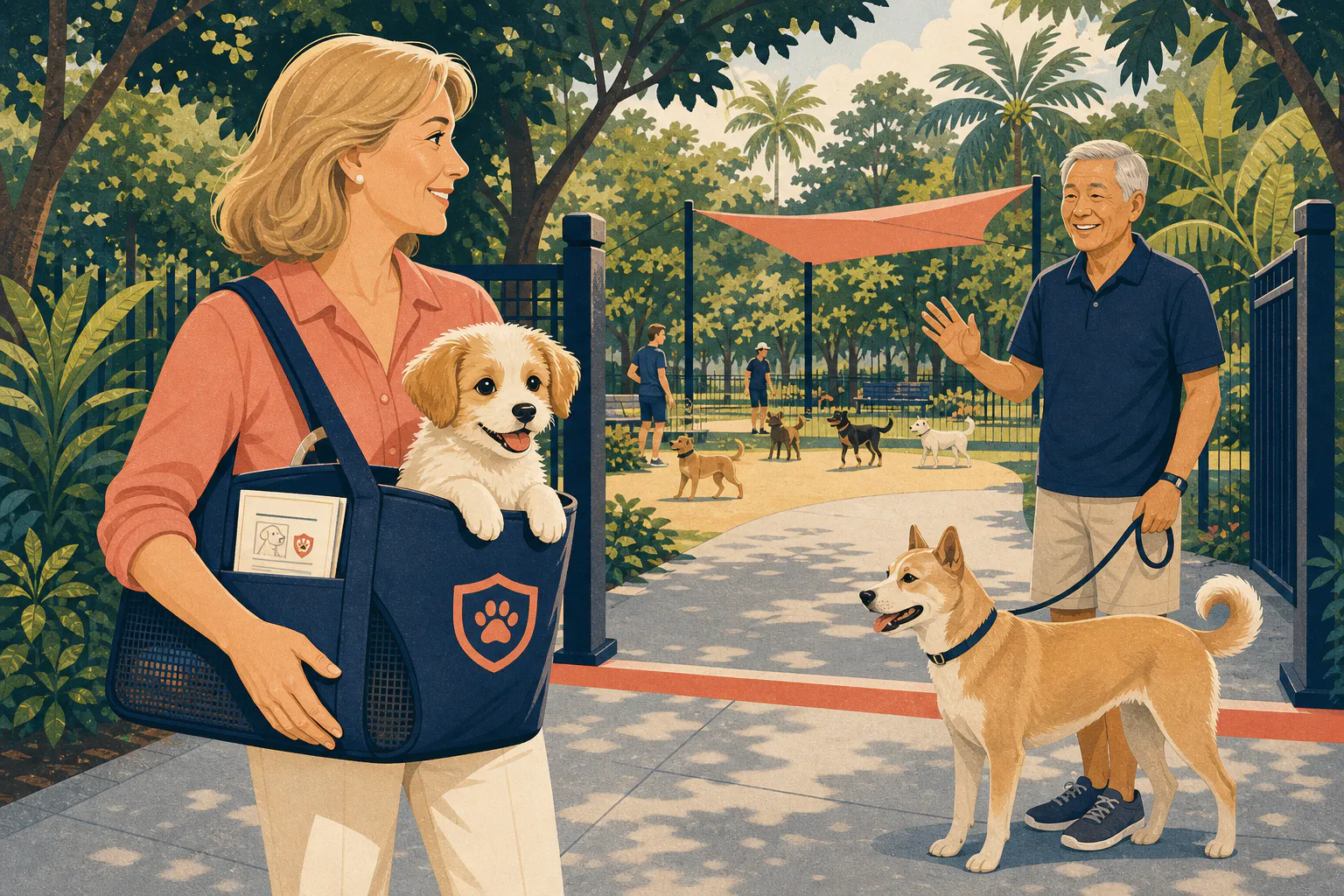
The strongest parvovirus protection is a veterinarian-planned puppy vaccination series combined with avoiding high-risk dog-contaminated ground while immunity develops. That does not mean putting puppyhood on pause. Carry your puppy, use clean controlled spaces and arrange positive contact with known healthy vaccinated dogs while your veterinarian guides when public ground becomes appropriate.
Parvovirus does not need a puppy playdate
The virus is shed in infected dogs' faeces and can remain in contaminated environments. It may travel on shoes, paws, objects and shared surfaces, so a puppy does not need to greet a sick dog directly to be exposed. Young puppies and dogs without complete vaccine protection are particularly vulnerable.
Until your veterinarian confirms the appropriate stage, avoid dog parks, busy shared toilet areas, unknown dogs' gardens and floors used by many dogs. Pick up stools promptly at home and ask visitors to leave heavily soiled outdoor footwear away from the puppy's living area.
Build confidence without choosing risky ground
Safe socialisation can continue while vaccine protection develops. Let your puppy watch people, traffic, umbrellas and the ordinary world from your arms, a carrier, the car or a clean mat. Invite considerate visitors and arrange controlled meetings with known healthy, vaccinated dogs.
Your veterinarian can advise when outdoor ground is suitable in the local area. The goal is not a sealed bubble. It is a puppy who gains positive experiences without being placed on the busiest canine floor in town before they are ready.
Know the signs and make the call early
Sudden tiredness, loss of appetite, vomiting and diarrhoea are important warning signs, especially when they repeat, worsen quickly or include blood. A young puppy can lose fluid rapidly. Call a veterinarian promptly and mention the puppy's age, vaccination status and symptoms.
Phone before arriving so the clinic can prevent contact with other dogs and prepare an isolation route. Do not wait for every possible symptom and do not try to solve repeated vomiting or diarrhoea with a home remedy. Early veterinary treatment gives a sick puppy the best chance.
After possible exposure, clean with a plan
Keep the puppy away from other dogs, do not share bowls or equipment and ask the veterinarian what to do next. Remove faeces and other organic material first, then use a disinfectant confirmed effective against parvovirus at the correct dilution and contact time. Ordinary casual cleaning may not be enough.
Clean footwear and washable items as directed and do not bring another unprotected puppy into a contaminated area until a veterinarian advises it is safe. If one dog is diagnosed, the clinic should guide vaccination, separation and monitoring for every dog in the household.
A few questions families often ask
Can a puppy catch parvovirus during the vaccine series?
Yes. Protection develops over the course of the series and is not immediate. Keep each appointment and use lower-risk socialisation until your veterinarian confirms the next stage.
Can I socialise my puppy before all vaccinations are complete?
Yes. Use controlled clean experiences, carrying, car journeys, visitors and known healthy vaccinated dogs. Avoid high-risk public dog ground until your veterinarian advises it is appropriate.
Can parvovirus be carried on shoes?
Yes. Contaminated material can travel on footwear and other objects. Keep visibly soiled outdoor shoes away from the puppy and clean after contact with higher-risk dog areas.
Will ordinary household cleaning kill parvovirus?
Not reliably. Remove organic material first and use a product confirmed effective against parvovirus at its stated dilution and contact time. Ask your veterinary clinic for a suitable local product.
When can another puppy enter a home after parvovirus?
Ask the treating veterinarian. The answer depends on the contaminated areas, cleaning, time, the new puppy's vaccination status and whether the environment can be managed safely.